It often begins with something small. A child in Grade 1 who stumbles over the same words, even after weeks of practice. A Grade 2 learner who confuses numbers, writes them backwards, or breaks into tears over simple sums. As parents, many of us brush these moments aside with comforting thoughts: “They’ll grow out of it. Maybe they’re just a late bloomer. Let’s wait and see.”
This instinct is understandable. No one wants to label their child too soon or worry unnecessarily. Yet research shows that “waiting and seeing” often comes at a cost. The early school years, especially Grades R to 3, are known as the golden window for learning. This is when the brain is most flexible, habits are most easily formed, and foundational skills in literacy and numeracy are laid down. When gaps are identified and supported early, children can catch up quickly and thrive. But when those gaps are ignored, they widen, making later intervention harder, slower, and more emotionally taxing. Early intervention, in other words, is not just helpful, it is essential.
Many parents hesitate to seek remedial support. Some fear their child will feel singled out. Others worry about stigma, costs, or the idea that admitting a challenge means lowering expectations. And of course, there is the powerful hope that a child will “catch up in time.” But the reality is that education systems, especially in South Africa, are not designed to slow down for individual learners. A mainstream class of 30 or more children moves forward at one pace, regardless of who is struggling. By the time parents realise the gaps aren’t closing, the child may already be two or three years behind. Hesitation is human. But delaying support doesn’t protect children, it often deepens the very struggles we hope they’ll outgrow.
Decades of neuroscience confirm that the early years of schooling are critical. By age seven, a child’s brain has already formed the majority of its core neural connections. Learning to read, for example, doesn’t happen automatically; it requires systematic teaching during this window when the brain is most receptive to phonics, sounds, and symbols. Similarly, number sense, the ability to understand and manipulate quantities, develops rapidly in Grades R–2. When children miss these milestones, later maths concepts become shaky. It’s not that they cannot learn them later, but the process is slower and often tied to frustration and self-doubt.
Studies in both South Africa and globally consistently show that children who cannot read fluently by the end of Grade 3 face significantly higher risks of dropping out in later years. The same is true for basic numeracy: weak foundations in early arithmetic predict ongoing struggles in science, technology, and problem-solving. South Africa’s education system reflects these realities sharply. Recent national assessments show that over 80% of Grade 4 learners cannot read for meaning. Numeracy outcomes are equally troubling, with many children entering upper primary still unable to master basic operations confidently. For children with learning differences, dyslexia, ADHD, auditory processing disorders, or sensory challenges, these statistics represent even greater hurdles. In overcrowded classes, their difficulties are often invisible until the gap is already wide. This is why remedial schools play such a crucial role in the South African landscape. By intervening early, they ensure children are not swept along by a system that moves too fast for their needs. Instead, they provide personalised, therapeutic, and small-class environments where gaps are closed before they become barriers. International research mirrors these findings. Studies from the OECD highlight that early intervention in literacy leads to lifelong gains in employment, self-esteem, and social mobility. In Australia and the UK, remedial support introduced in the early years has been shown to halve the number of learners requiring long-term educational accommodations. NESCO stresses the importance of “reading by Grade 3” as a global benchmark. Children who achieve this milestone are far more likely to succeed across all subjects. Those who don’t often face cumulative disadvantages, even if they are intelligent and capable in other areas. The global message is clear: the earlier the intervention, the greater the return.
When challenges go unaddressed, children don’t simply “catch up.” Instead, they often develop coping strategies, guessing words, avoiding homework, distracting in class, that mask the underlying issues. By the time parents or teachers notice, these habits are entrenched. The academic cost is obvious, but the emotional toll is just as significant. Children who repeatedly experience failure begin to see themselves as “stupid” or “incapable.” Anxiety, frustration, and low self-esteem become their constant companions. Rebuilding confidence at this stage is possible, but it takes far longer than if intervention had begun early.
Early intervention works because it harnesses children’s natural curiosity and adaptability. A child in Grade 1 who struggles with phonics can, with multi-sensory teaching, become a fluent reader within months. A Grade 2 learner who fears numbers can, through practical strategies and therapeutic support, rebuild their number sense before maths becomes abstract and intimidating.
Research shows that when gaps are addressed early:
- Academic achievement improves steadily.
- Emotional resilience develops alongside skills.
- Children are less likely to need long-term remedial support.
- Parents feel more hopeful and engaged in their child’s learning journey.
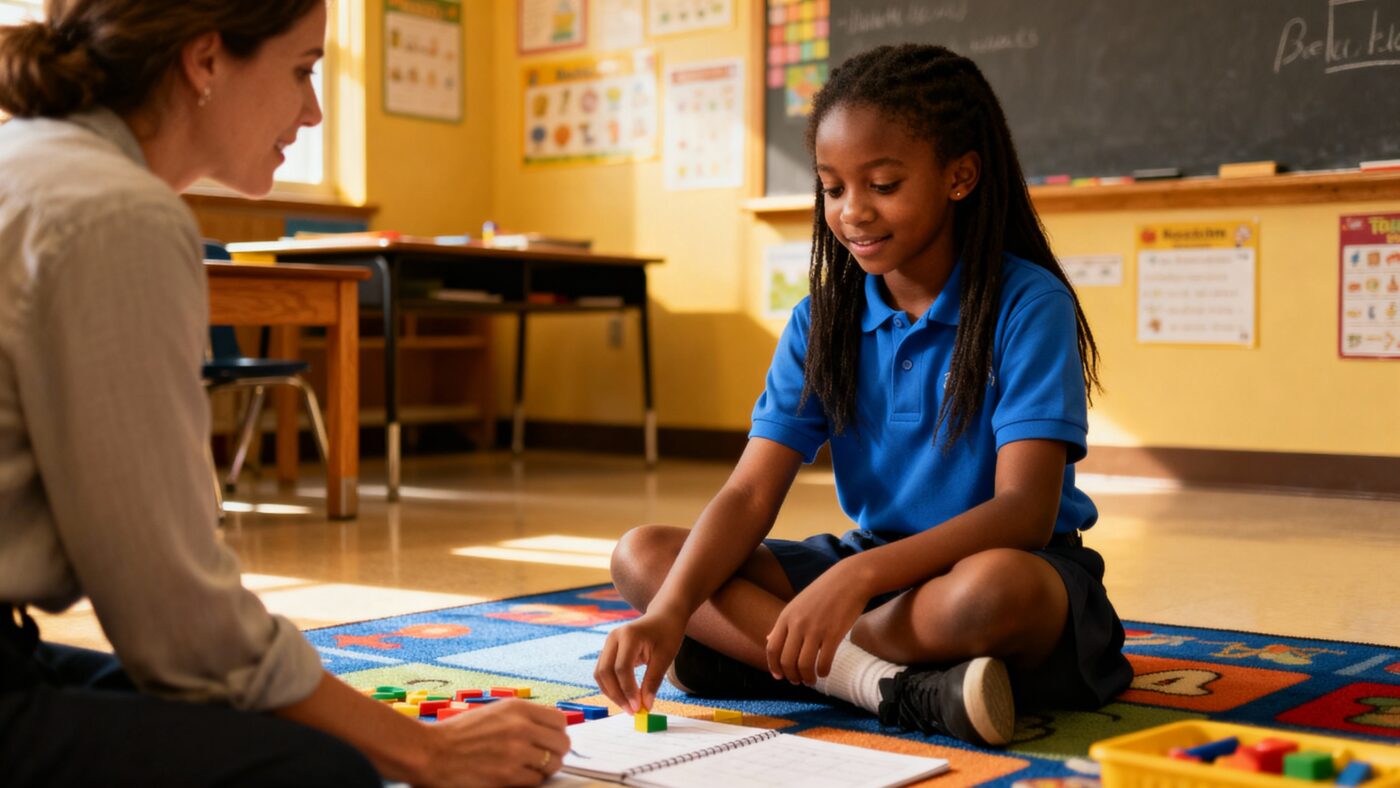
Remedial schools like CARE are specifically designed to catch children in this window of opportunity. Their approach blends smaller class sizes, individualised learning plans, and therapy integration. Instead of waiting for children to fail before offering support, they proactively identify and address challenges. At CARE, occupational therapy strengthens fine motor skills for writing, speech therapy builds the foundations of literacy, and psychologists support emotional regulation. Teachers, therapists, and parents collaborate closely so that every learner’s progress is tracked holistically. This integrated approach doesn’t just help children catch up academically, it rebuilds their confidence and love for learning.
While South African families face unique challenges, CARE Remedial draws from global best practice. The principle is the same everywhere: act early, act decisively, and act holistically. Waiting rarely works. Intervention always does. The power of CARE’s model is that it adapts international standards of remedial education to the local context, working within the CAPS curriculum while also integrating therapies and enrichment. This ensures children are not just closing gaps but building skills that will serve them for life.
As a parent, it’s natural to hope that challenges will pass with time. But the evidence is overwhelming: early intervention is the single most effective way to change a child’s educational trajectory. Every year of “waiting and seeing” makes the climb steeper. The good news is that when action is taken early, children respond quickly and positively. With the right support, they rediscover the joy of learning, the pride of progress, and the confidence to try again. At CARE Specialised Remedial School, we believe every child deserves that chance, not in the distant future, but now. Because when we intervene early, we don’t just close gaps. We open doors.
